The origins of the Cold War

Original surviving footage of the Trinity test
The Origins of the Trinity Test
The Trinity Test, conducted on July 16, 1945, marked a pivotal moment in history, as it was the first successful explosion of a nuclear weapon. This event took place in the New Mexico desert at a site known as the White Sands Proving Ground, which is now part of the White Sands Missile Range. The origins of the test can be traced back to the broader context of World War II, a time when the threat posed by the Axis powers spurred intense scientific and military advancements. In 1939, physicists Albert Einstein and Leo Szilard wrote a letter to President Franklin D. Roosevelt, warning of the potential for Nazi Germany to develop atomic weapons. This correspondence led to increased funding and support for research in nuclear fission, which ultimately culminated in the Manhattan Project. This secret U.S. government project brought together some of the brightest minds from around the world, including scientists like J. Robert Oppenheimer, who would later become the project’s scientific director. The objective of the Trinity Test was to validate the designs for an atomic bomb before it could be used in the war. The test was vital not only for assessing the weapon’s power but also for understanding the complex physics involved in nuclear reactions. The development of the bomb represented both a technological triumph and a harbinger of unprecedented destructive capability. As the date approached, intensive preparation ensued. The test involved a plutonium-based bomb, which was intricately assembled in the lead-up to the explosion. On the morning of July 16, scientists, military personnel, and government officials gathered to witness the historic event. At precisely 5:29 AM, the bomb detonated, creating a blinding flash and a mushroom cloud that rose dramatically above the desert landscape. The explosion was equivalent to approximately 20 kilotons of TNT, a staggering demonstration of the bomb’s power. The Trinity Test not only confirmed the feasibility of nuclear weapons but also ushered in the atomic age, reshaping military strategy and international relations for decades to come. It prompted discussions about nuclear ethics and safety, debates that continue to this day as nations navigate the implications of nuclear technology. Thus, the origins of the Trinity Test encapsulate a mix of scientific innovation, wartime urgency, and profound ethical considerations that still resonate in contemporary society.
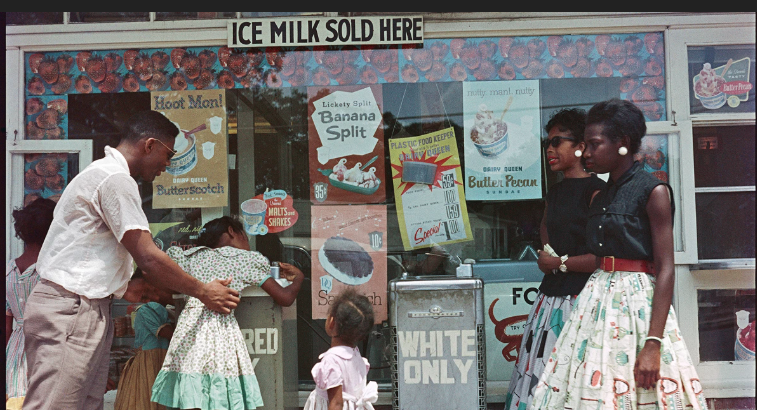
Segregation Situations of 1966
In 1966, the United States was still grappling with the remnants of segregation laws that had enforced racial discrimination for decades. This year was pivotal in the civil rights movement, as activists intensified their efforts to dismantle institutionalized racism. One of the most significant events was the establishment of the Black Panther Party in October, which aimed to protect African Americans from police brutality and provide community support. Meanwhile, the Voting Rights Act of 1965 had begun to yield some results, but many African Americans in the South still faced significant barriers to voting, such as literacy tests and poll taxes. In education, schools remained largely segregated despite the Supreme Court's landmark decision in Brown v. Board of Education in 1954, which declared segregation in public schools unconstitutional. Many districts used various tactics to circumvent this ruling, leading to protests and demands for integration. Activists organized marches and sit-ins to challenge these injustices, highlighting the urgent need for equality in all aspects of life. Moreover, segregation permeated public spaces like restaurants, theaters, and public transportation, where many African Americans were subjected to separate and unequal facilities. The fight against these injustices continued throughout the year, with civil rights leaders such as Martin Luther King Jr. and Malcolm X advocating for change through non-violent protests and more militant approaches, respectively. Their differing philosophies reflected the tumultuous atmosphere of the time, as many African Americans grew frustrated with the slow pace of progress. In summary, 1966 was a year marked by significant activism aimed at combating segregation and advocating for civil rights. The struggles and achievements of this period laid the groundwork for further advancements in the fight against racial discrimination, making it a crucial chapter in American history.
Create Your Own Website With Webador